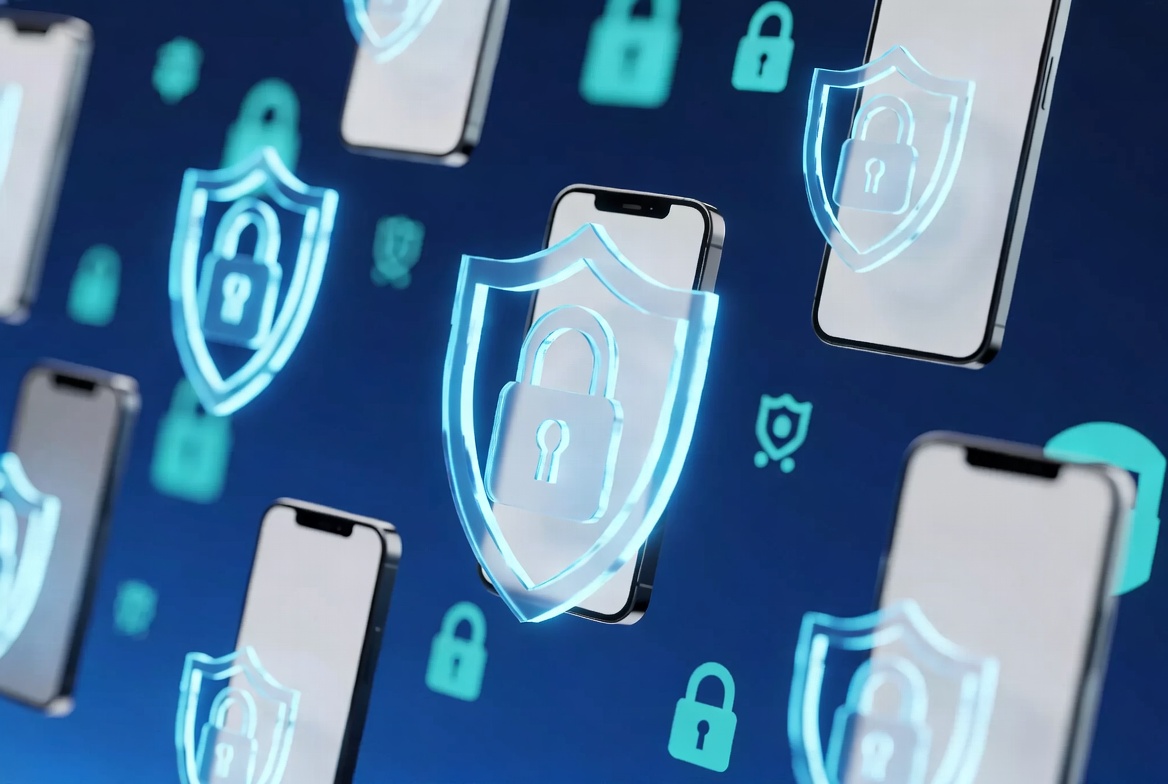
You know how chaotic things get when phones and tablets run the show at work these days. That is exactly why your business needs a solid MDM solution in 2026. Devices power everything from team communication to customer records, but they also create serious risks if you leave them unmanaged.
I have watched too many companies scramble after a security scare or waste hours chasing device problems. Do not let that become your story.
Why Security Demands an MDM Solution in 2026
Cyber threats target mobile devices more aggressively every year. Hackers use clever phishing attacks and sneaky malware that slips past basic defenses.
With a strong MDM solution in 2026, you lock everything down quickly. You enforce strong passwords, encrypt sensitive data, and monitor for suspicious activity in real time. If trouble hits, you can wipe devices remotely before any information leaks. That kind of control brings real peace of mind.
Handle BYOD Without Losing Control
Employees prefer using their own devices for work because it keeps them comfortable and saves your company money. Yet mixing personal and business data creates real vulnerabilities.
Your MDM solution in 2026 draws a clear boundary. It protects company information while leaving personal photos and messages completely private. Teams stay productive on devices they love, and you maintain full control.
Stay Compliant and Confident with an MDM Solution in 2026
Regulations like HIPAA and GDPR grow stricter all the time. One mistake can lead to heavy fines and damaged trust.
A good MDM solution in 2026 simplifies compliance. It keeps encryption active, tracks changes automatically, and delivers the reports auditors want. You avoid messy manual processes and stay ahead of requirements.
Support Remote Teams Anywhere
Hybrid work continues to expand, with people logging in from coffee shops, homes, and travel spots everywhere.
MDM solution in 2026 gives your IT team central control no matter the location. You push apps, solve issues, and provide secure access from one dashboard. Support tickets drop while productivity stays high.
Boost Productivity and Cut Costs
Nobody enjoys spending all day managing updates and fixing random device issues. Manual work wastes time and invites errors.
Your MDM solution in 2026 automates the routine tasks. Apps install smoothly, settings stay optimized, and you block distractions easily. Devices last longer, replacement costs drop, and your team focuses on real work instead of tech headaches.
Scale Your Business Smoothly with an MDM Solution in 2026
Growth feels exciting until devices multiply and chaos follows.
A reliable MDM solution in 2026 grows with you. New employees set up quickly, new locations stay secure, and everything remains organized. You spend more time expanding and less time fighting technology problems.
Mobile work keeps expanding, so smart leaders get ahead of the curve instead of reacting later.
If you want an MDM solution in 2026 that fits your business and keeps things simple, check out what we offer at AEH Solutions. Our Mobile Device Management (MDM) Solutions deliver security and productivity without the usual headaches.
Original article reference: https://moki.com/why-you-need-an-mdm-solution-in-2025/